







Search Results for: Coffee Variety Patents
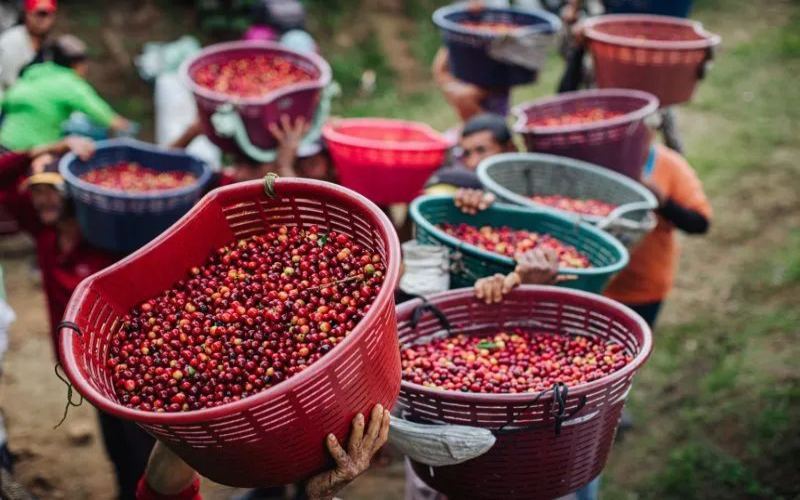
The Trend of Patenting Coffee Varieties Emerges: What Kind of Impact and Transformation Will Global Coffee Farmers Face?
Climate change, the spread of pests and diseases, deforestation, and continuously rising temperatures are posing severe challenges to global coffee production capacity. Some studies predict that by 2050, both the suitable cultivation areas and suitability levels of the world's top five coffee-producing countries will decline. To address this situation, many countries have established dedicated coffee research institutions, and multinational companies such as Starbucks and Nestlé have also set up their own R&D teams, committed to breeding new varieties with higher yields, better quality, stronger disease resistance, and adaptability to different environments. However, when variety research and development results led by private capital enter the market, the boundary issues of intellectual property and patent protection come to the surface. There are already precedents for plant patents, and Monsanto's genetically modified seed rights protection case is even more sobering. If coffee varieties are patented, what fate will small farmers and growers face? Front Street Coffee will continue to follow this issue. [more…]
Tracing the Invention of the French Press and a Standard Immersion Brewing Guide: From 19th-Century Patents to Modern Brewing
The French press may seem simple, yet it has a tortuous history spanning three centuries. As early as 1852, a joint patent titled "Piston-Filter Coffee Device" had already sketched out its prototype; it was not until the 1930s, after a Milan company improved the design and registered a patent, that the French press gradually entered the public eye. It was once widely criticized for "coffee like mud," and was even misread by dictionaries as an exercise for biceps. Today, the French press has become a brewing tool highly praised by coffee enthusiasts worldwide. This article will comprehensively trace the invention timeline of the French press, key figures, and improvement milestones, and include standard immersion brewing instructions, while also retaining relevant product recommendations from the Front Street brand for readers' reference. [more…]
In-depth comparison of illy and LAVAZZA: The landscape of Italian coffee bean brands, taste differences, and buying advice
illy and LAVAZZA are both benchmark brands of Italian coffee, but the two differ clearly in historical origins, market positioning, packaging design, pricing strategy, and flavor direction. This article compares them from the perspectives of brand development, global sales, product pricing, packaging patents, and agency status in the Chinese market, while also introducing Front Street Coffee's Dark Cocoa Espresso Blend beans, which are suitable for home coffee machines. Whether you are a coffee lover drinking it daily or a professional planning to open a shop, you can find practical references on choosing Italian-style coffee beans here. [more…]
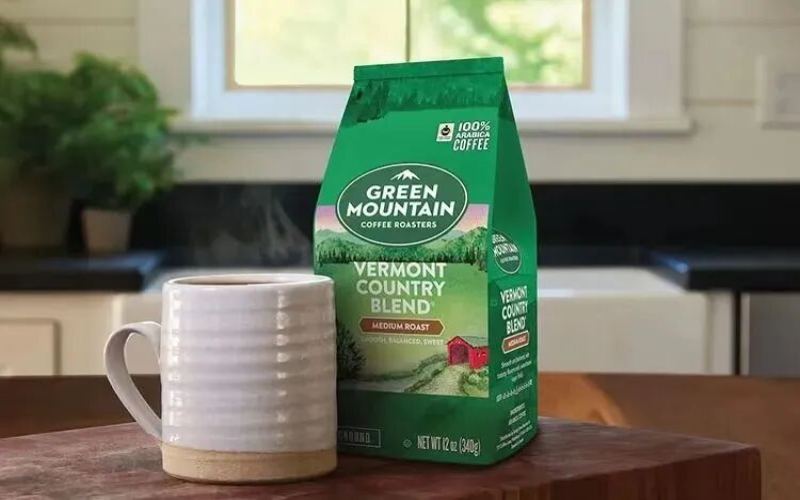
Blue Mountain Coffee | Is Green Mountain Coffee a fake Blue Mountain Coffee? How does Jamaica grade Blue Mountain Coffee? How to identify genuine Blue Mountain Coffee?
Blue Mountain coffee has been famous worldwide since the last century. Today, a brand called "Green Mountain Coffee" has come into the public eye. Many friends have asked Front Street, "Is Green Mountain Coffee riding on Blue Mountain Coffee's coattails?" "Is Green Mountain Coffee a counterfeit of Blue Mountain Coffee?" and similar questions. So Front Street decided [more…]

What Is the Connection Between Green Mountain Coffee and Blue Mountain Coffee? A Clear Guide to the Differences and Blue Mountain Coffee Expertise
Many people, upon first hearing about Green Mountain Coffee, assume it is an imitator of Blue Mountain Coffee, and some readers of Front Street Coffee have even asked whether Green Mountain is a knockoff. In reality, apart from the similar names, Green Mountain Coffee and Blue Mountain Coffee have almost no substantive connection. Green Mountain Coffee is not a coffee bean variety but an American coffee company founded in 1981, known for its K-Cup pods and Keurig coffee machines; Blue Mountain Coffee, on the other hand, is Arabica Typica coffee produced in Jamaica's Blue Mountain region, strictly graded by the Jamaica Coffee Industry Board. This article will separately examine Green Mountain Coffee's business model, Blue Mountain Coffee's history and grading system, key points for purchasing and authentication, and include Front Street Coffee's roasting and brewing recommendations. [more…]
How Does Green Mountain Coffee Differ from Blue Mountain Coffee? A Full Analysis of Grades, Taste Characteristics, and Buying and Identifying Blue Mountain
Green Mountain Coffee has frequently appeared in the public eye in recent years, and many people mistakenly believe it is a knockoff Blue Mountain or some kind of coffee bean. In fact, Green Mountain Coffee is a coffee brand founded in the United States in 1978, which pioneered a new business model with its Keurig coffee machines and K-Cup system. Blue Mountain Coffee, on the other hand, is an Arabica Typica coffee produced in a specific area of Jamaica's Blue Mountains, with strict grading standards and a legendary history. Apart from the similar Chinese translated names, the two have almost no connection. This article will systematically sort out Green Mountain Coffee's brand positioning and business logic, explain in detail Blue Mountain Coffee's producing region definition, grade classification, historical changes, and key points for purchasing and identification, and also include Front Street Coffee's brewing suggestions for Blue Mountain No. 1, to help coffee enthusiasts clarify concepts and make rational purchases. [more…]
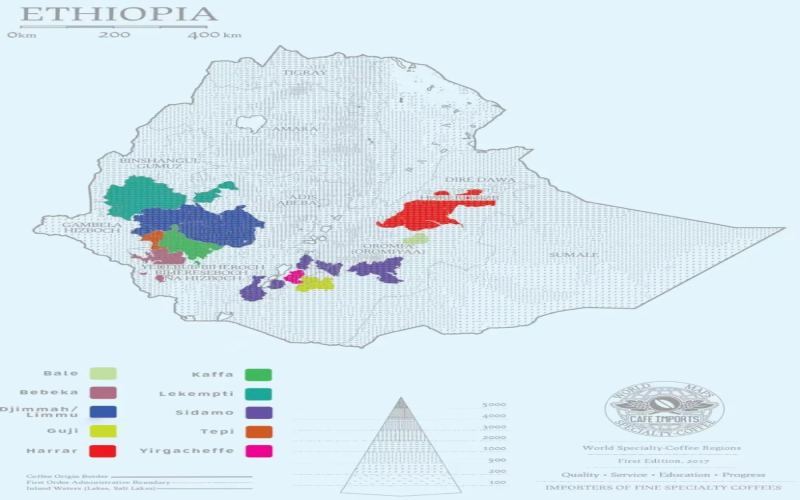
Exploring Ethiopia's Sidama Region: An Analysis of the Santavini Processing Station and the 74158 Numeric Variety Coffee
Ethiopia, as the birthplace of coffee, is home to more than ten thousand incompletely identified Arabica varieties, and the Sidamo region is one of the most representative star origins among them. Starting from the geographical and cultural background of Sidamo, this article traces the evolution of its name and its terroir advantages, focusing on the unique microclimate of the Santa Vini processing station and its 96-hour anaerobic natural process, while offering an in-depth interpretation of 74158 within the JARC digital variety system. At the same time, drawing on Front Street Coffee's example of bean selection, it presents the complete picture of this Sidamo Santa Vini coffee bean from origin to processing method, taking you to appreciate the diverse charm of African specialty coffee. [more…]
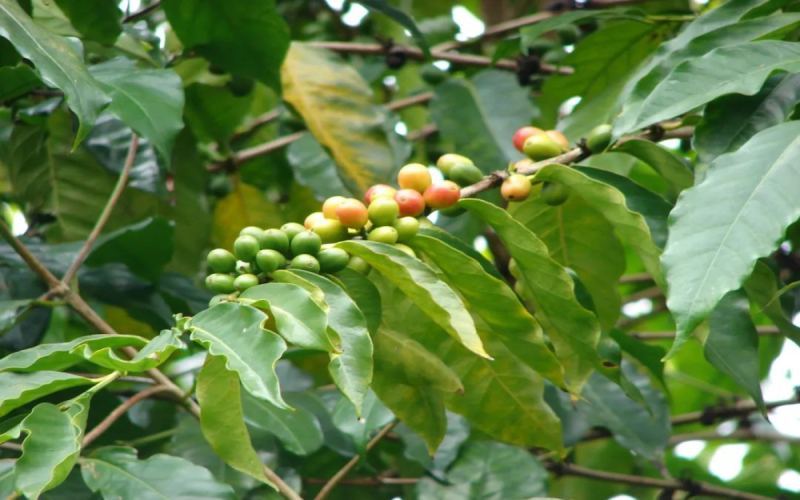
Exploring Ethiopia Sidamo: A Comprehensive Analysis of the Santavini Processing Plant 74158 Coffee Beans
Ethiopia, as the birthplace of coffee, boasts a rich variety of native heirloom varieties and unique natural conditions. The Sidama region, with its high altitude, fertile volcanic soil, and abundant rainfall, has become synonymous with high-quality coffee. The Santa Vini processing station, a high-altitude processing facility under DWD Company, processes the 74158 variety using a 96-hour anaerobic natural method, presenting tropical fruit flavors such as pineapple and citrus along with a full-bodied mouthfeel. Front Street Coffee has selected this bean and brews it using a V60, a 1:15 coffee-to-water ratio, and 92°C water temperature, delivering fermented wine aromas and a sweet red wine aftertaste that coffee enthusiasts will savor. [more…]
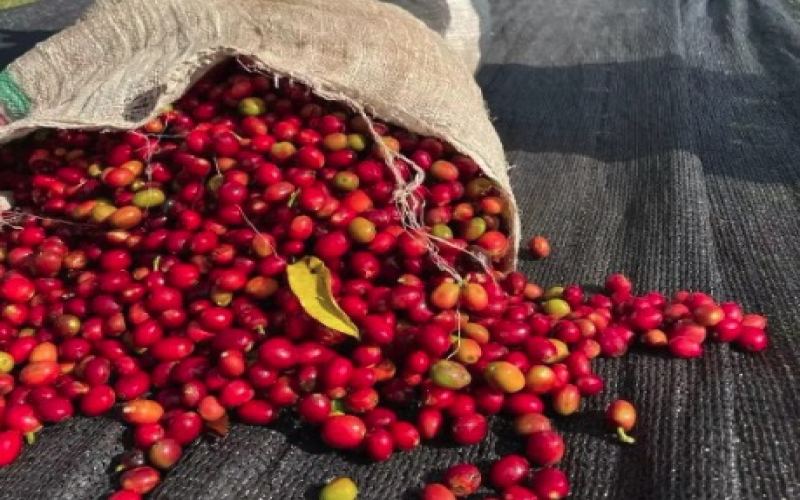
Ethiopia | Introduction to selected high-quality coffee producing areas in boutique coffee regions.
For coffee lovers, Ethiopia is a sacred place in their hearts. This country is the birthplace of coffee and is now also the largest Arabica coffee-producing country in Africa. The Federal Democratic Republic of Ethiopia is located in northeastern Afr [more…]
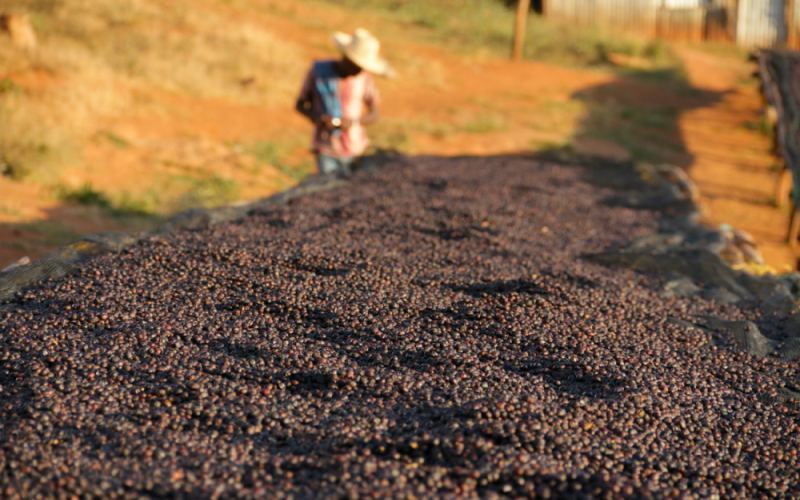
Ethiopian Coffee Regions Guide: An Introduction to Coffee Beans from Sidamo to Yirgacheffe
Ethiopia is known as the birthplace of coffee and is also Africa's largest producer of Arabica, giving it an irreplaceable status among coffee lovers worldwide. This article systematically sorts out Ethiopia's geographical environment and climate characteristics, and introduces one by one the terroir conditions and flavor profiles of major coffee-producing regions such as Sidamo, Yirgacheffe, Guji, and Bebeka, helping beginners build a clear understanding of the producing regions. At the same time, drawing on Front Street Coffee's washed Yirgacheffe coffee beans, it provides specific brewing parameters and flavor descriptions, offering practical reference for everyday bean selection and tasting. [more…]

A Classic Pour-Over Device Created by a Chemist: The Origin Story and Brewing Method of the Chemex Coffee Maker
Among classic pour-over coffee tools, Chemex stands out with its unique hourglass shape and elegant temperament. Designed by German chemist Peter J. Schlumbohm in 1941, this product drew inspiration from laboratory glass funnels and conical flasks, and it remains a staple on the brewing benches of countless coffee enthusiasts today. It is not only permanently collected by institutions such as the Museum of Modern Art in New York and the Smithsonian, but has also become a common classic element in American TV series and coffee shops. This article will guide you through the original inspiration behind Chemex, its development history, and the complete brewing process shared by Front Street Coffee, so you can gain a comprehensive understanding of this legendary device that combines beauty and practicality. [more…]
Yirgacheffe ARICHA Natural Bean Flavor Analysis: Aricha Processing Station Origin Characteristics and Tasting Approach
ARICHA Natural G1 from the Yirgacheffe region is one of the finest representatives of high-grade Ethiopian green beans. Produced at the Aricha processing station using raised-bed natural processing, it is endowed with vivid fruity aromas and sweetness. In cupping, Front Street Coffee's Yirgacheffe Natural Aricha G1 presents intense aromas of jasmine, citrus, dried peach, and dried mango, interwoven with the sweet notes of berry salad, dried almonds, and caramel. This article will explore the bean's regional background, processing method, and flavor characteristics, as well as cold brew—the drinking method that best highlights its floral and fruity profile—to give you a comprehensive understanding of this natural Ethiopian gem. [more…]
AeroPress Brewing Guide: Can You Use Hawaiian Kona Beans, and Is a Light Roast Suitable?
The AeroPress is a cleverly designed, easy-to-use portable coffee device invented by Stanford lecturer Alan Adler. It combines three principles: French press immersion, pour-over paper filtration, and espresso-style pressure extraction, producing a cup that is rich, clean, and smooth. This article covers the AeroPress's structure, brewing principles, cleaning and maintenance, explains in detail the production process using Front Street Coffee beans for the AeroPress, and answers common questions such as whether Hawaiian Kona coffee beans can be used and whether light-roast beans are suitable, providing a practical reference for coffee enthusiasts. [more…]
Pour-Over Coffee Beginner's Guide: Complete Step-by-Step Tutorial from Filter Folding to Pouring Techniques
Pour-over coffee is known for its clean taste and alluring aroma, and the brewing process is especially elegant. Many people mistakenly believe this brewing method originated in Japan, but it actually originated one hundred percent in Europe—Melitta Bentz of Germany invented the original filter paper and dripper in 1908. This article will start with the historical origins, then teach you step by step the basics of filter paper folding, coffee grinding, water temperature selection, pouring technique, and coffee-to-water ratio. The process isn't complicated, and you don't need much equipment—after reading this, you'll be able to make a cup yourself. [more…]

From Silk Pouches to Pyramid Tea Bags: The Differences Between Triangular and Flat Tea Bags and the Evolutionary History of the Tea Bag's Invention
Tea bags have long been part of everyday life, but have you ever wondered where they came from? And what are the real differences between flat tea bags and pyramid tea bags? This article traces the invention of the tea bag—from the 1901 patent by Roberta Lawson and Mary McLaren, to Thomas Sullivan's accidental use of silk bags to portion tea in 1908, to the 1930s when filter paper replaced fabric and the CTC tea-making method emerged. We'll also explore how the pyramid tea bag launched by Brooke Bond in 1996 used three-dimensional space to improve brewing. Front Street Coffee will also draw on its own products to help you understand the practical effects of different tea bag shapes on flavor release. [more…]

Learn Pour-Over from Scratch: A Practical Guide for Beginners on Choosing Coffee Gear and Beans
Friends who are just getting into specialty coffee are often eager to replicate a delicious pour-over at home. But faced with the bewildering array of equipment and beans on the market, how can beginners on a limited budget spend as little as possible while still buying the most suitable gear? This article will analyze the key points for choosing coffee beans, a grinder, a pour-over kettle, a dripper and filters, and a digital scale, one by one in order of priority, and give specific product recommendations from the Front Street brand. The core idea is: save the bulk of your budget for the grinder, start with low-spec entry-level gear for everything else, and only consider upgrading after you have grasped the principles of extraction and found your flavor preferences. [more…]
Deep Dive into Ethiopia's Guji Region: A Full Analysis of Coffee Pour-Over Flavors and the Region
As the birthplace of coffee, Ethiopia has always been a dream destination for specialty coffee lovers. This article begins with the country's geography and coffee-growing conditions, systematically outlining the terroir characteristics of major producing regions such as Sidamo, Yirgacheffe, Guji, and Bebeka, with a particular focus on the distinctive flavors that the Guji region nurtures thanks to its unique microclimate and volcanic soil. It also shares Front Street Coffee's pour-over parameters and flavor profile for a washed Yirgacheffe, offering beginners a clear path to tasting. [more…]

Starbucks has reapplied for trademark registration in Russia and may return to the Russian market before long.
Starbucks recently filed a trademark registration application with the Russian Federal Intellectual Property Office and has received a registration decision, which may mean that this coffee chain giant will return to the Russian market soon. After the Russia-Ukraine conflict broke out in 2022, Starbucks announced its withdrawal from Russia and closed all 130 stores, and its assets were subsequently acquired by a local company and transformed into Stars Coffee. Now, as the international situation changes, the possibility of Starbucks re-entering Russia is increasing, and this development has also put Stars Coffee, which took over its original business, in an awkward position. [more…]
Beginner's Guide to Pour-Over Coffee Gear: Practical Setup Advice from Grinder to Pour-Over Kettle
Want to brew a good pot of coffee at home but don't know which equipment to start with? Faced with the bewildering array of brewing devices on the market, beginners often find themselves spoiled for choice. This article will go through the various pieces of equipment needed for pour-over coffee one by one, in order of importance—from the grinder, which is most worth investing in, to the pour-over kettle that affects water flow control, and on to accessories like the dripper, filter paper, and digital scale—offering specific buying advice and budget suggestions. At the same time, for what kind of coffee beans to choose at the beginner stage, it also provides reference directions for Front Street Coffee's everyday drinking beans, helping you put together a handy set of brewing gear within a limited budget. [more…]
A Complete Guide to Ethiopian Coffee Regions: Flavor Comparison of Sidamo and Sidama, Yirgacheffe, Guji, Harrar, and Jimma
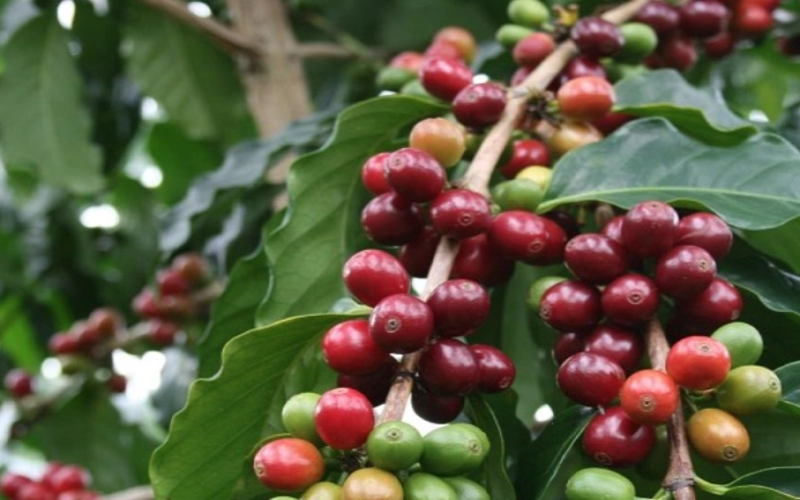
Ethiopia, as a genetic treasure trove of coffee, has nurtured countless stunning specialty coffee regions. From the administrative transition of Sidamo to Sidama, from the wetland settlement of Yirgacheffe to the rise of Guji as tomorrow's star, each region possesses unique terroir conditions and processing techniques. Beans such as Front Street Gudingding, Front Street Red Cherry, and Front Street Huakui are typical representatives of the flavors of different regions. This article will systematically sort out the flavor characteristics and historical context of Ethiopia's major coffee regions, taking you to deeply understand the unique charm of Sidamo, Sidama, Yirgacheffe, Guji, Harrar, Limu, and Djimma. [more…]